We said our good bye’s to Pádraig after finishing our last Guinness and climbed into our tents by 9pm.
Next morning we were super efficient in packing up, having breakfast, porridge and muesli, and getting our paddling gear on. Even being super efficient, it takes around 90mins to launch. It’s always the transitions that are hardest.
As we pulled out of the Quay at 8am, we headed north east across the bay towards Straggane Point and on towards Ballyheigue, tucked in the corner under Kelly Head. It was crossing of about 16 miles – a short day.
The wind was blowing westerly F4, so appeared over our left shoulders.
As we emerged from the shelter of Brandon Mountain, the westerly swells that have been with us consistently for the last few days, popped up to say hello again.
Despite the winds having dropped a notch, there was still huge energy in the swells. Regularly Geoff and I lost sight of each other as we both sank into troughs either side of a swell. Three or four seconds would go by before Geoff would appear at the peak, waving over to me and giggling at the size of the seas rolling in on our beams.
Every twenty minutes or so, something more special would appear out of the corner of our eyes. Swells the size of a house with steep sides, perhaps 6 or 7 metres in height. We could feel and hear the wind rush through our ears as we rose and then fell down the other side as they passed.
Occasionally alarming, but also just awe inspiring.
Mostly the swells passed through us without complication, but every so often the crests would break in the wind and cause us to use a brace stroke – placing the flat back side of the paddle on the surface of the water to give stability.
The area we needed to avoid at all costs in these conditions, were shallow ground or rocks just under the surface of the water. This is where the swell rises up and explodes. The Irish call them “boomers” and it is an apt name. The sound is tremendous.
Concentration is required most of the time in these conditions.
Aside from that we made good progress and landed in Ballyheigue around lunchtime.
After changing into civvies and scouting around for a bivvy spot, we grabbed some food and reviewed our plan for Loop Head the next day.
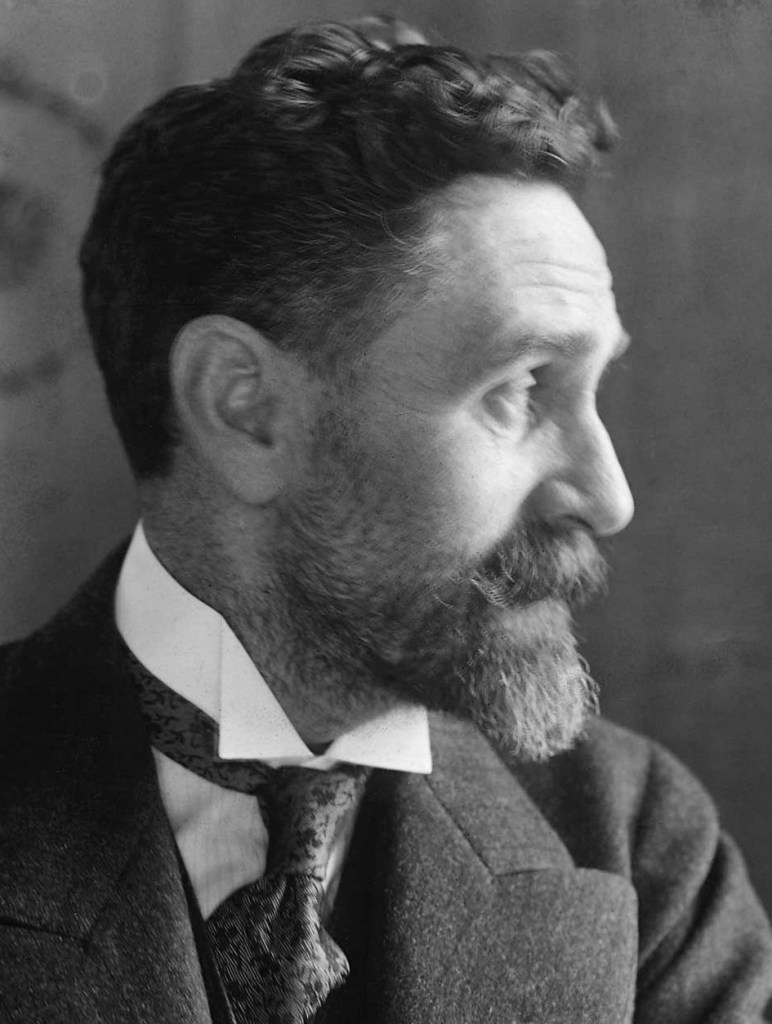
Throughout our travels in Ireland, we have seen reminders of Ireland’s struggle against Britain’s colonial past. In the centre of Ballyheigue is a statue to Sir Roger Casement, who was knighted in 1911 for his report in into the human rights abuses in the rubber trade in Peru.
He worked for the British Foreign Office as a diplomat and was known as a human rights activist. He became disillusioned by the injustices of colonial rule. He subsequently became an activist and strong supporter of Irish Republicanism and was an Easter Rising leader. In 1916 he tried to convince the German government to provide arms to the IRA. He was found out, arrested and tried for treason and executed in Pentonville Prison.
The position of the jet stream has been making progress up the west coast difficult for the last few days, bringing consistent northerly or westerly winds. Unfortunately, it doesn’t look like it wants to shift anytime soon. We are trying to make as much progress as we can, but even in the weather windows conditions are pretty ‘exciting’ to say the least.

 Midlifekayak
Leave a comment