6 days in the beautiful town of Schull. If we had to be weather bound, then this part of West Cork is surely the place to be.
This is the longest we have ever been weather bound on any of our expeditions, previous record was 4 days, and just underlines our view that mile for mile, the Irish coastline is tougher to make progress along than Britain.
The high pressure system that was sat off the West Coast has brought a period of consistently strong westerly and north westerly winds. Given we have about 6 days of significant crossings just ahead of us, all exposed to the full Atlantic swell, it has made the decision to stay off the water a ‘no brainer’.
Frustrating, especially because we have made decent progress so far, but being weather bound is all part of the challenge that these expeditions bring.
It would have been even tougher being stuck in a tent, but thanks to the amazing Jon Hynes and his team at the Fastnet Marine and Outdoor Activity Centre, we have a roof over our heads.
We have tried to chip in and help around the place to ‘earn our keep’, but really we are massively in debt to Jon for looking after us so well. Couldn’t have had better hospitality, conversations and laughs.
He has a great team around him and some exciting plans for the future for this impressive centre. We wish them all the best.
Yesterday we met Kate and Sean from Canada who are sailing their Garcia Exploration 45 around to wherever they please over the next few years. They have already collected some amazing stories and adventure and you can follow them at tryandfindus.nuther.com
Thursday the weather isn’t ideal but we will push along the coast to Crookhaven to get in position to get round Mizen Head first thing Friday and push up to Dursey Island. The next week is going to be a slog fest against the northerly winds but we are well rested and ready to get going again.
Maybe, just maybe, we could be on the Aran Islands by next Wednesday.
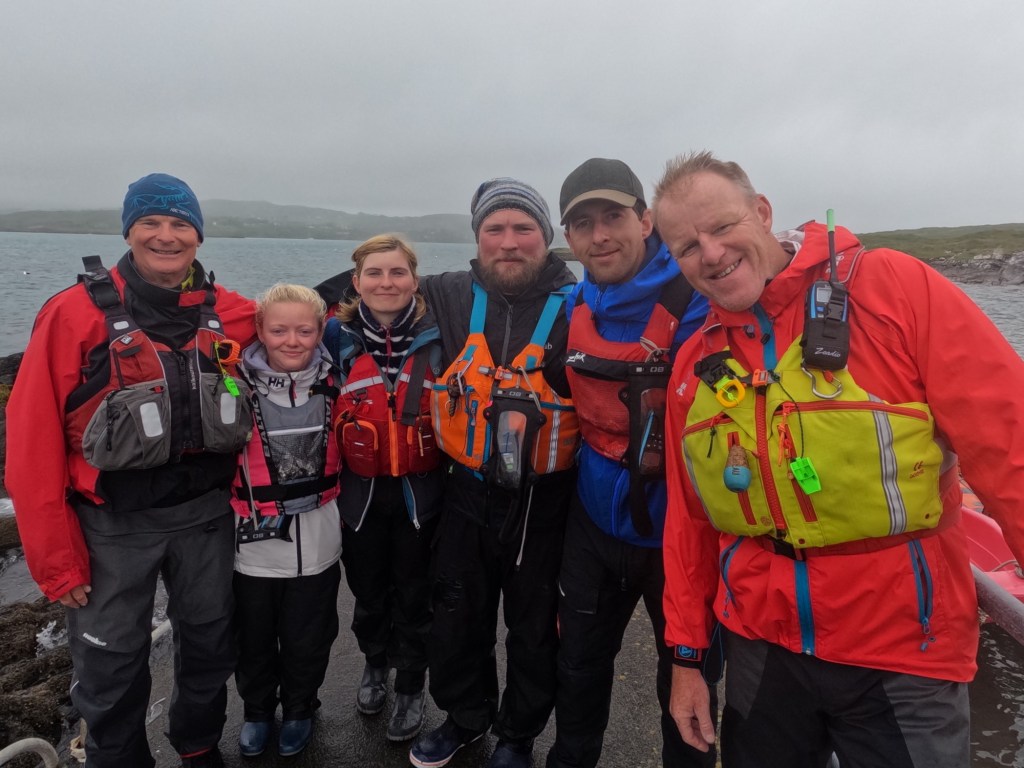
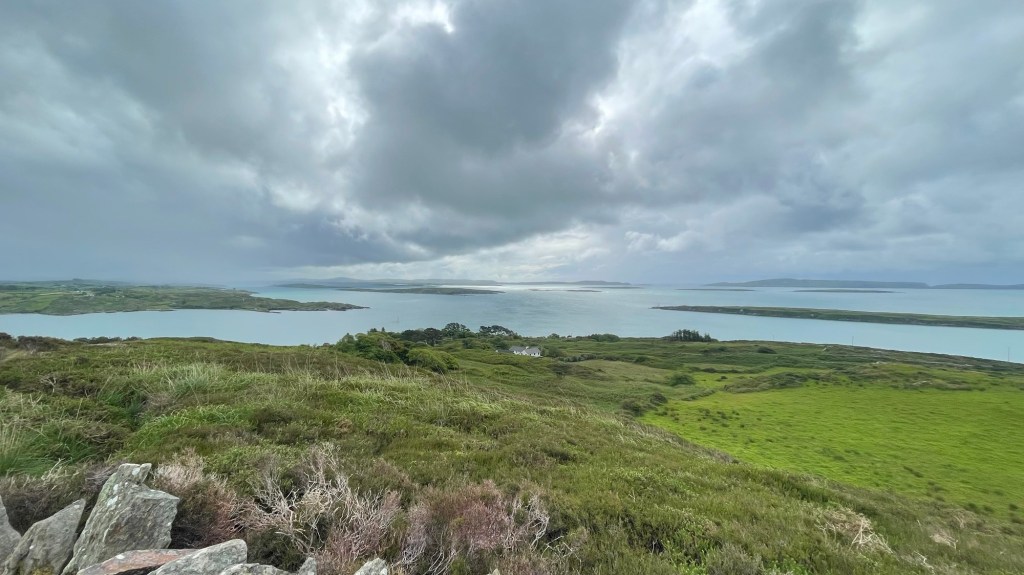
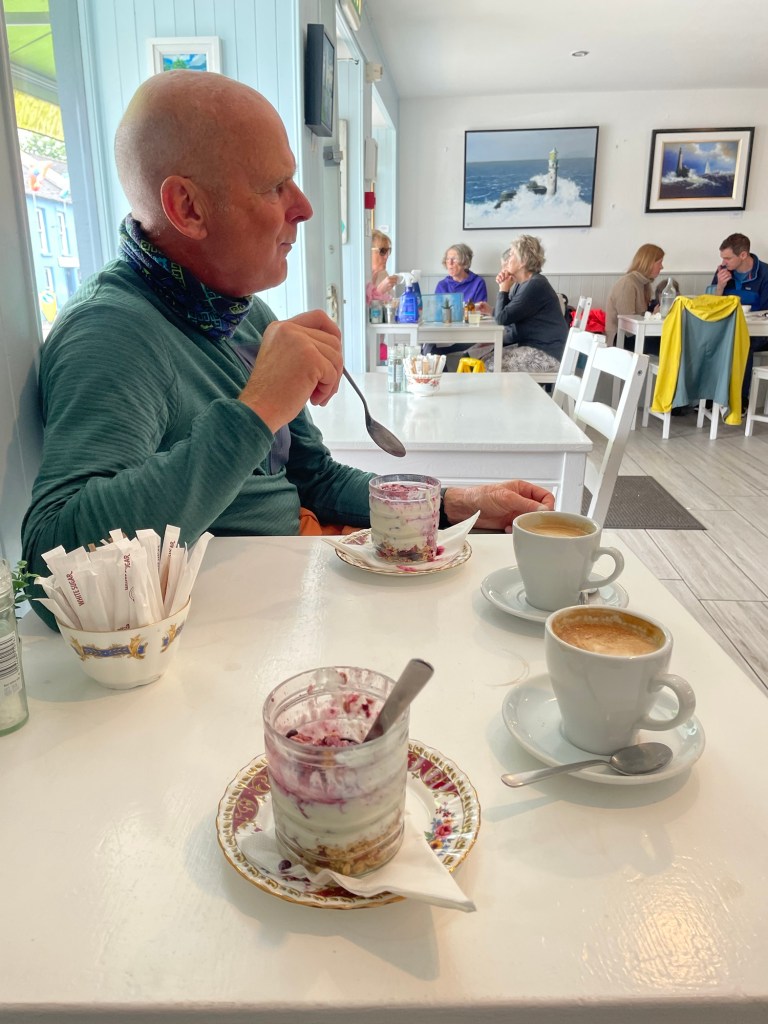
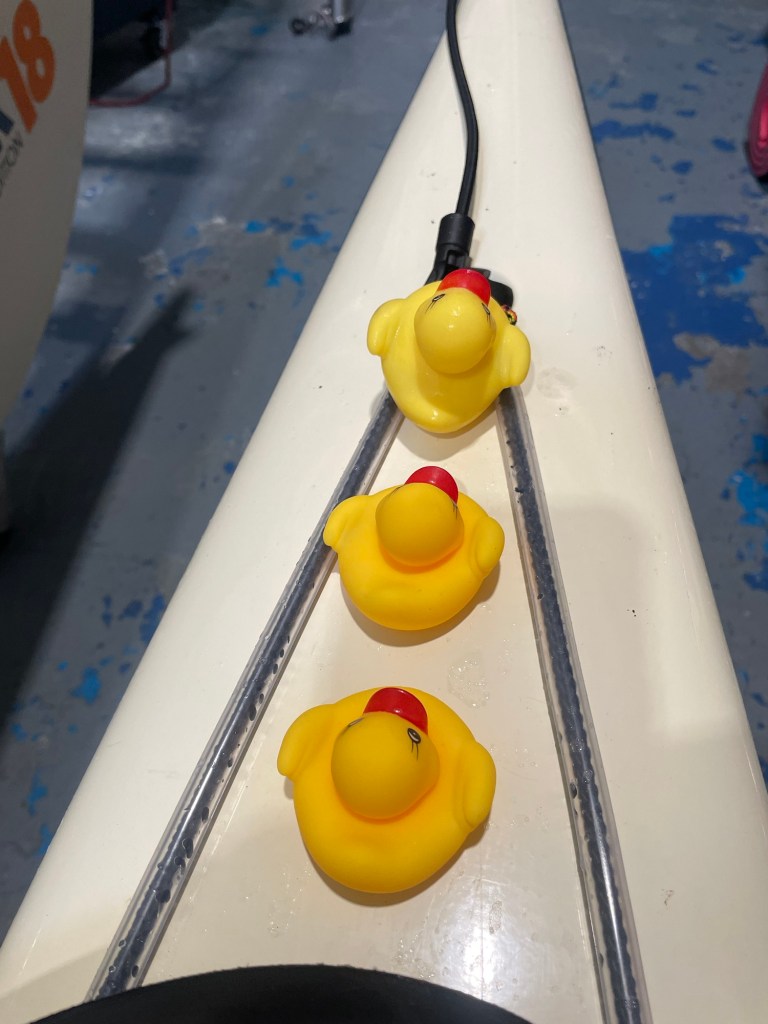
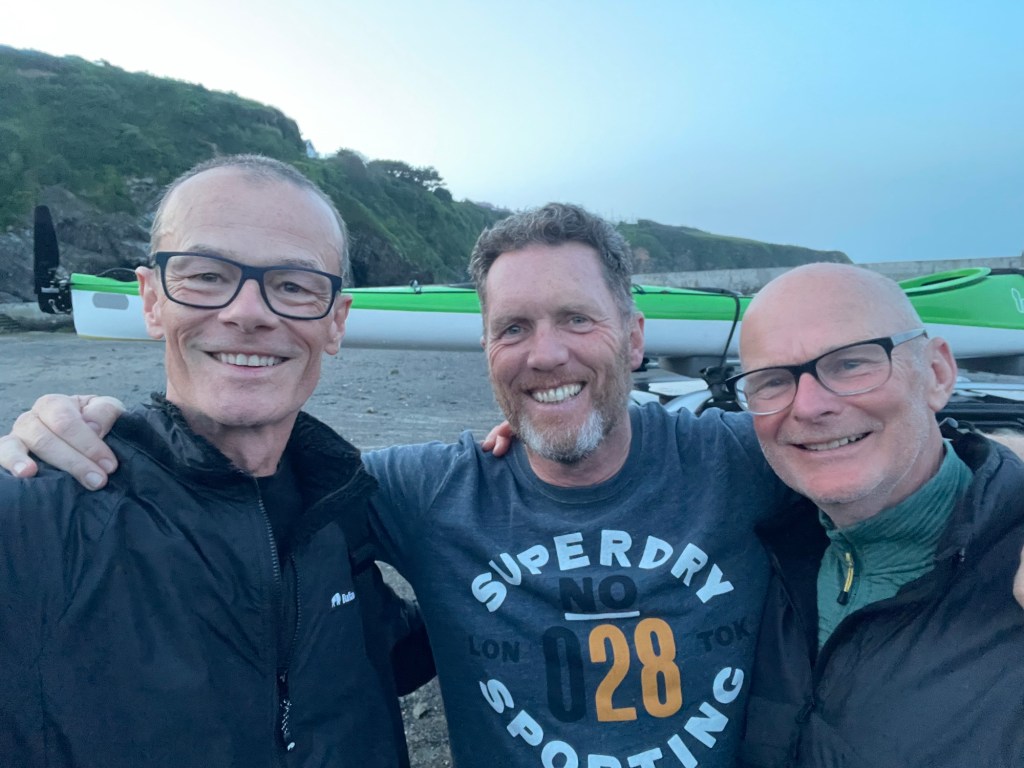
Geoff and the Team from left Lucy, Caroline, Luke, Tim, JonRoaring Water BayAnother coffeeMaintenance- getting our ducks in a rowAnother coffee 😉
Kate and Sean who we met in Schull are on an incredible adventure sailing their Garcia Exploration 45 wherever they please over the next few years.
Fairly decent nights sleep in the dunes at Howe Strand. We both woke just after 6am and got the porridge and tea on.
We weren’t sure from where we were, whether the conditions out in the bay had settled down or not. If they had then we would get round Seven Heads. If they hadn’t, then we would push on along the coast a bit to Courtmacsherry, at least there was a shop there where we could get coffee and food.
(We definitely are living at the bottom of Maslow’s Hierarchy of Needs.)
Just as we were about to start packing up and thinking about getting on the water, there was a shout from one of the houses behind the beach.
“You’ll be needing coffee?“
James was born in Dublin, lived a lot of his life in Derby and worked as a mechanic, now very much settled in this part of rural Cork. Big steaming mugs of coffee and three slices of toast and marmalade later, James showed his hobby. He takes classic old cars and completely rebuilds them chassis up. On site he had an immaculate Bentley and a Daimler dating back to 1930s (I think?). What a talent!
Bellies now full of two breakfasts we packed up and got ready to launch. An even longer carry than the day before.
As we were relaying the boats and kit down the beach, we noticed a woman searching for her dog. It had run off while she was swimming. It had been gone a good 45mins and she was clearly worried, as would we be.
It was our turn to do a good deed, and so we paddled along the coast in the direction that she thought it may have gone and she walked back to her car in the hope that it had returned there. We blew our safety whistles in the hope the dog would hear and respond and looked in some of the gulleys. All of a sudden it appeared. Lots of waving paddles and pointing followed and the woman, having seen us, ran down to be reunited with her dog. She jumped up and down and shouted thank you as we turned to head west again.
The winds were still fairly strong but we felt comfortable that we could make decent progress, so we pushed round Seven Heads and into Clonakilty Bay. As we did the skies darkened and a squally shower came through. Usually squalls are accompanied by an increase in wind speed, and sure enough we were into a consistent F7. We knew it would die down once it passed over, but our speed in the meantime was down to just over 1 mph. 45 minutes later it had passed and the wind eased. A good little workout.
We pushed on to Galley Head using the occasional eddy current we found along the way. Once round Galley Head, there was just one last crossing into Glandore Bay and a slog of about 3 miles into the headwind as we search for an appropriate place to stop for the night.
And so we found ourselves in Mill Cove. Just three houses and a small pier to shelter behind. Perfect.
We used our bivi bags that night and slept in the front garden of one of the houses (with permission of course). The owners were a lovely couple. Their house here in Mill Cove had been in the family since 1930s.
I had to apologise to them as I think I gave them a fright as they drove into their driveway that night and I was already in my bivi! They must have wondered who on earth I was as I emerged from the ground in the dark!
Another 22 miles covered despite less than perfect conditions.
A brew to help recovery in the shelter of Mill CoveGeoff posing for the camera at Mill Cove
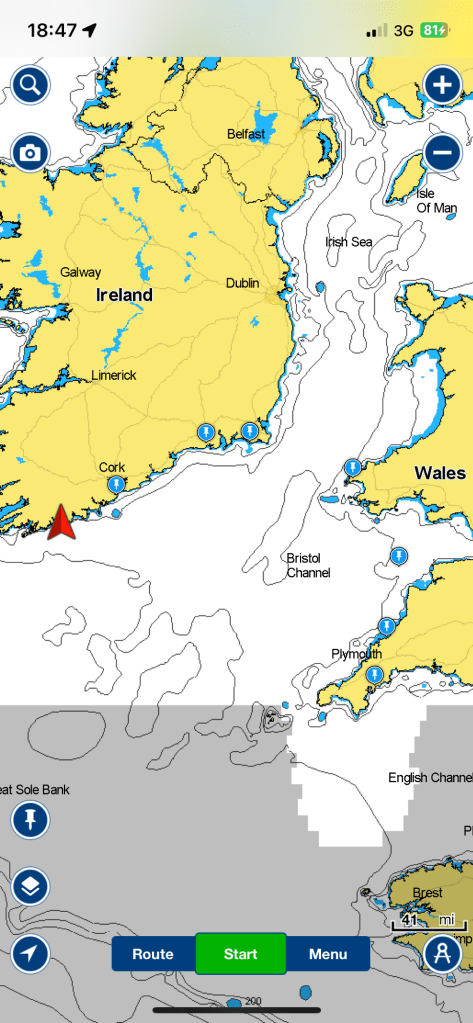
Geoff and I are currently sitting in the Fastnet Marine Outdoor Education Centre in Schull on the West Coast of Ireland. Massive thank you to Jon Hynes who has arranged a real bed for us for the weekend. An opportunity to recuperate while we sit out some bad weather which swings in on Saturday.
Earlier today we left Mill Cove and made good speed on the morning tide towards Baltimore, some 18 miles down the coast. Baltimore feels like the very start of the West Coast. The cliffs approaching it bear the scars of stupendous stormy seas. We stopped in the Harbour to get some food and for Geoff to pick up a new tent he had arranged to be delivered to Jacob’s Bar.
Back on the water a couple of hours later, we paddled the last 8 miles through the islands in Roaringwater Bay (apt name) towards our destination in Schull.
If at the start of this expedition you told us that after 21 days of leaving Portscatho we could be on the West Coast of Ireland, we would have grabbed that offer with both hands. And here we are. It feels good to have covered some decent ground and to have made the most of the decent weather.
We are both feeling a little tired and in need of a recharge though. Not sure whether that’s the paddling or the wild camping.
Given we have 122 years between us, it might also be our ages as well. It would be rude of me to share Geoff’s age with you – but I am 57 🙂
Over the last three days we have faced some stiffer conditions. Feels like we are getting some early tasters of what to expect on the West Coast with its full exposure to the Atlantic.
Unfortunately the weather forecast will keep us off the water for a few days . On the bright side we couldn’t be stuck in a nicer place.
Our blog updates will return once we get underway again. Enjoy the break!
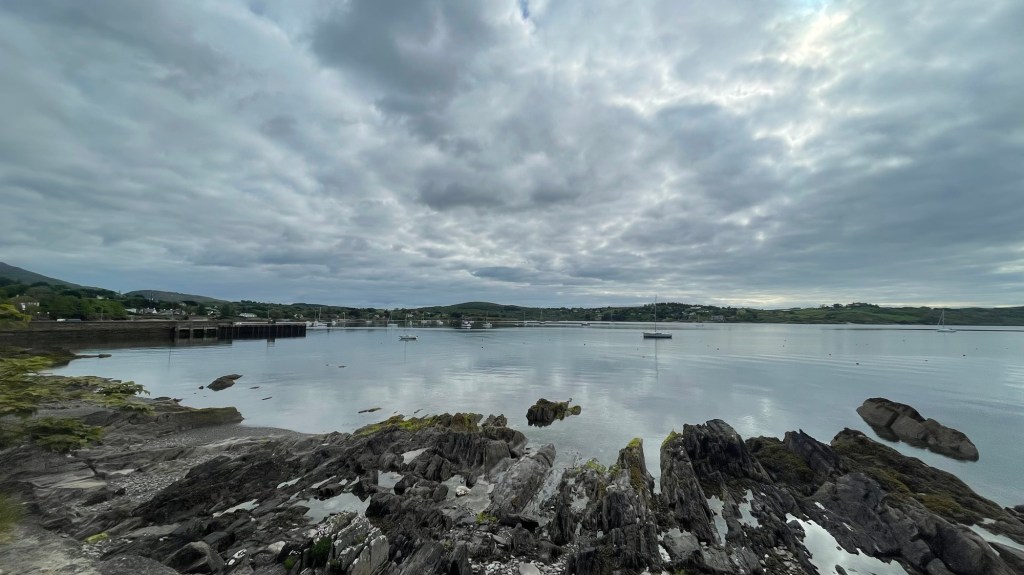
Schull BayMizen HeadFastnetSchull is buzzing during the Film FestivalJon (next to me) with a team of amazing paddlers from Brittany who had just kayaked out to the Fastnet rock and Sarah and Brian from the Centre and Geoff
Right, some catching up to do. Am stepping back a couple of days.
After a long carry, we launched and glided out of the beautiful Robert’s Cove. The aim was to try and get to the Old Head of Kinsale, stop to stock up on provisions, and then push on round Seven Heads.
The first part of the day went like a dream. Good stream in our favour and light winds. Porpoises and dolphins feeding around us. Fulmars and Shearwaters regularly swooping in low to check us out.
Jon Hynes, the star, had arranged with his sister in law, Erin, to meet us at the Quay at the Old Head of Kinsale and drive one of us to Ballinspittle to grab some shopping. It is pretty difficult along this stretch of coastline to stock up without taking a long detour up an estuary to a town so this was a real godsend.
We texted our eta when we set off and again when we got to Sovereigns rocks near Kinsale Harbour.
Shortly after we landed, Erin arrived. What a cracking laugh she is. Felt like the three of us had known each other for ages. We chatted for a while before Erin and I headed off to the shops. Geoff stayed to dry out some of our kit. We were back within the hour, said our thank yous and goodbyes and launched again.
It had felt sweltering on the Quay and we were expecting the same on the water. We pushed up the Old Head of Kinsale and spotted that the tunnel/cave that runs beneath the headland had enough water in it to allow us to pass through and there was very little swell.
It’s a magical experience paddling through a cave like that, the sounds of the gentle lapping waves, the darkness, the cacophony of the nesting sea birds on the ledges (and the smell!).
After 100 meters or so, the tunnel opened up to the incredible sight of rock stacks the size of cathedrals covered in bird colonies. We sat for a few minutes just taking it all in. Thousands upon thousands of birds all around us.
We were also conscious of something else. The wind. At the Quay there was hardly a breath. Now we were facing a stiff F4 headwind. This next stretch towards Seven Heads was going to be a 3 or 4 hour slog. We dug in.
Our speed had been late 4s (mph) in the morning. We were now only getting around 2 or 2.5 as we headed into both wind and tide.
Two hours later, the wind strengthened again and the chop was getting annoying too. Every third wave seemed to stop the boats dead. We were now facing F5 gusting F6. We can still make progress in those conditions but given we wanted to get round Seven Heads and make a few more miles after that to the safe spot we wanted to land at, we needed to re evaluate our plan.
We also didn’t know if there was a ‘get out’ on Sevens Head if the conditions worsened.
Shouting over the wind to each other we decided to abort the plan and head to a safe haven. We were around 4 miles offshore but we could see a small valley and what looked like a beach. Over the years we have gotten quite good at anticipating where we might find safe spots to pull over. We went for it.
Still fighting the winds to make our way to the coast, it took more than 90mins to get to shore. As we approached, a beautiful little bay opened up. Perhaps a mile deep. At the end, by the shore, we could see a couple of kids body boarding and someone swimming. In the shelter of the bay, they were oblivious to the increasing mayhem offshore.
We found ourselves in Howe’s Strand. As we paddled in I dipped my hand in the water. It was like a bath. The sand at low water heated by the sun was now warming the water as it flooded back in.
We chatted to the swimmer about the bay and she told us many people camp over night in the dunes and we should be fine to do the same. That was settled then.
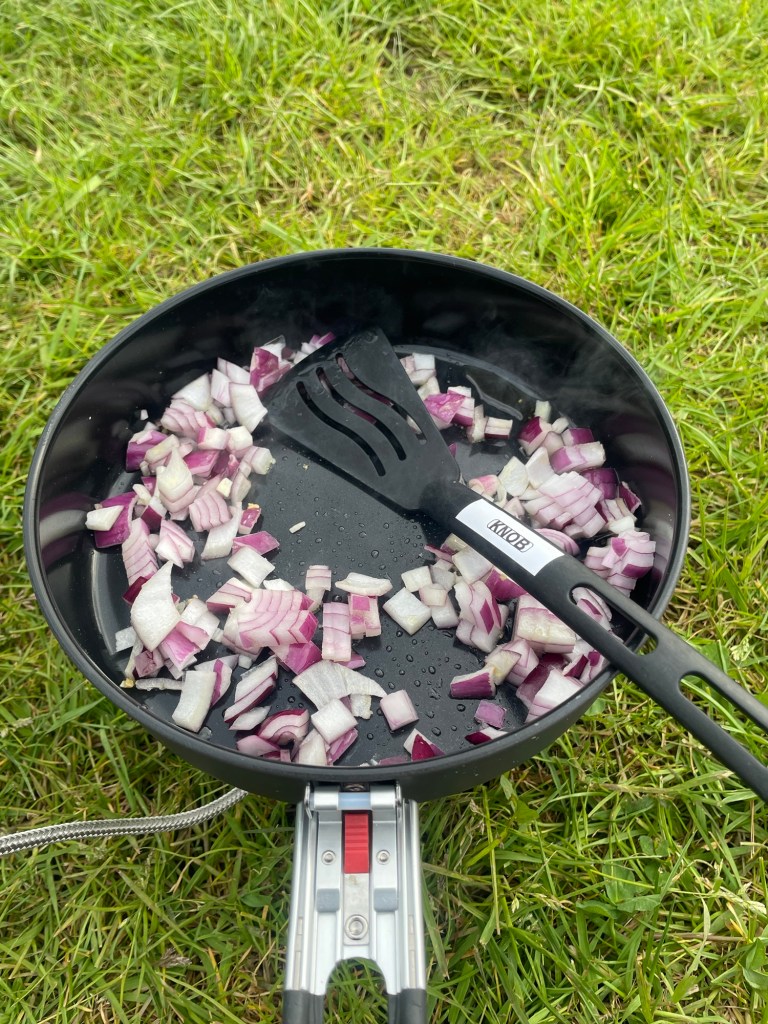
We pitched camp and made a brew and a massive omelette with onions, spinach and chicken. Pudding was a flapjack.
Not the day we had planned but still we covered 22 miles.
Massive thank you to Erin!
Sovereigns ErinHowe StrandOld Coastguard Station Howe Strand, built by the British and attacked and burnt out during the war of independence.
Everyday on these expeditions is an adventure and a roller coaster of emotions.
Last night we slept (or didn’t in my case) on the harbour wall in Ardmore next to our kayaks. Through our bivi bags we could still feel the sun’s warmth that had been retained in the concrete. By morning that warmth had gone and we both wrapped more and more layers over ourselves until it was time to get up.
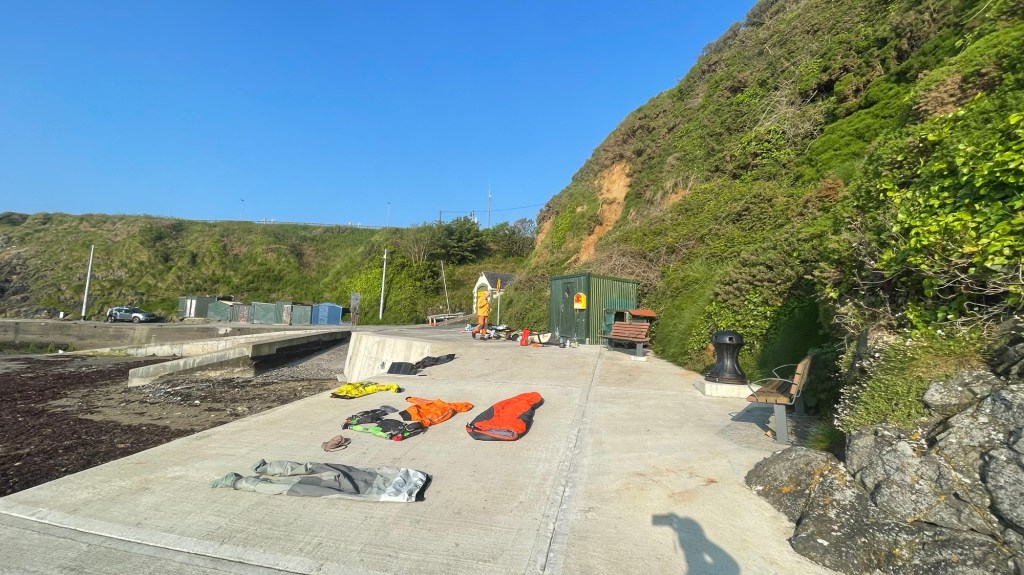
The sun was up and already shining on half of the slipway. Perfect opportunity to allow us to lay out all our kit and dry it before packing away.
I was just climbing out of my bivi when we heard someone shout from the road above “Do you want tea?”.
We both stuck our thumbs up and nodded enthusiastically.
Next thing we know, the kind offer of tea had escalated into showers followed by a two course breakfast.
Jackie, is a top class swimming coach from Loughton in east London but married an Irish fisherman from Ardmore over 40 years ago. Over the next hour or so, as Jackie rustled up an amazing breakfast, we heard all about her amazing family and her career and learned more about life in Ardmore.
It is spontaneous experiences of human generosity like Jackie showed to us this morning, that make expeditions so special. Geoff and I won’t remember all the miles we paddled but we will remember all the encounters with wonderful people along the way.
On the water only 5 mins and we met the local lobster fisherman Michael and his dog Oscar. I had to take some photos so we stopped and chatted. Apparently Oscar is famous because he ‘befriended’ the walrus that visited southern Ireland a few years back.
From the highlight of meeting two incredible people (and a dog) we then got on with the paddling. Two long open crossings ahead of us, one straight after the other. Knockadoon Head followed by Ballycotton. Although we had the morning tide against us we did have an easterly wind for assistance, but open crossings can be a drag. It is much more fun paddling alongside cliffs. There is more to see and distract yourself from the miles. This coastline is stunning.
When sessions drag on, it is easy for the mind to start questioning why on earth we are doing this trip. Sometimes if you allow yourself the chance to think about the enormity of it all it can be quite intimidating.
Still, the miles clicked down and with about 16 miles we pulled into Ballycotton. The aim was to have a break, stretch the legs and get some provisions. Unfortunately no shop. The local store had closed down a few years ago.
Geoff and I stayed in Ballycotton on the way round Ireland in 2015 but couldn’t remember it until we saw the lifeboat station. We recognised the steep steps and the concrete platform on which we had had a cold wet bivi. Fond memories (Ha!)
The lifeboat mechanic and coxswain were at the RNLI Station, so we popped in to blag some water and asked about getting provisions. It didn’t look like we were going to get any for a few days. That would be a problem but the great Wild Atlantic Warrior, Jon Hynes who lives up in Kinsale had already been in touch.
Jon and his mate, Sean Cahill, paddled round Ireland the same year as we did and in a cracking time. Jon and his lovely family were so generous and put us up for the night when we got to Kinsale and washed kit and fed us.
I rang Jon. Great to hear his voice. Always positive and upbeat. We would get to Kinsale Old Quay tomorrow at lunchtime and his daughter Aoife would pick us up and take us to the local store.
Jon, who is a very experienced sea kayaking and outdoor instructor then said, “you boys are making great progress, but you need to push round Mizen before Saturday”
The weather that has blessed us so far is changing. Mizen marks the start of the West Coast and is a formidable place in bad weather. Getting round Mizen and up to Dursey Island whilst the weather is fair would be key.
Back on the water we pushed on. We now had tide and wind in our favour. We had planned on getting to Gyleen, but when we rounded Powerhead, we felt good and decided to push on another 7 miles to Roberts Cove.
As the sun was starting to set we crossed Cork Harbour, avoiding the shipping. The romantic in me reflecting on my ancestors who were from Cork. I wondered if they had ever seen the bay and the harbour from a boat this far out and seen how beautiful it looks.
As we got close to Robert’s Cove there was an air of anticipation as we didn’t know whether we could land there. And if we could, was there somewhere to sleep.
The Cove faces south east and we were paddling due west so it wasn’t until the last minute that it revealed itself. It wasn’t just a safe haven it was a little bit of Irish paradise.
Geoff and I recognised it instantly. We had stopped here before for lunch last time, and it was here we spotted a basking shark.
We made a lentil curry and pitched our tents on a patch of grass. Perfect.
The plan for the next few days is to push on and get to Baltimore by Wednesday to give us a chance to start heading north round Mizen on Thursday and Friday before the weather changes.
Slow start to the day after the Irish Sea Crossing. It had rained heavily over night and all our kit was soaked and covered in sand. The Bay was covered in thick mist, so we made a brew, had some breakfast and allowed the sun to burn through. When it finally did we managed to get the kit a bit drier before we packed up and got on the water.
Just 12 miles along the south coast to Kilmore Quay. A recovery day.
We had a stunning bivi spot that night and one of the best nights sleeps we have had.
The next day we pushed on toward Tramore, some 26 miles. It was a bit of a slog but pleased we covered the miles.
9 years ago when we paddled round Ireland, we pulled into Tramore harbour on our second night. There, we had a chance meeting with the kayak legend that is Mick O’Meara. Mick holds a range of kayaking records including the fastest circumnavigation of Ireland – 23 days. A humble man, but a real endurance athlete. On that expedition, Geoff and I were to get the chance to paddle together with Mick in some rather enormous seas off the west coast a few weeks later. It was a day that Geoff and I still talk about.
As we paddled into the harbour again on our latest adventure, we did joke that perhaps we would see Mick belting up and down the bay in his kayak.
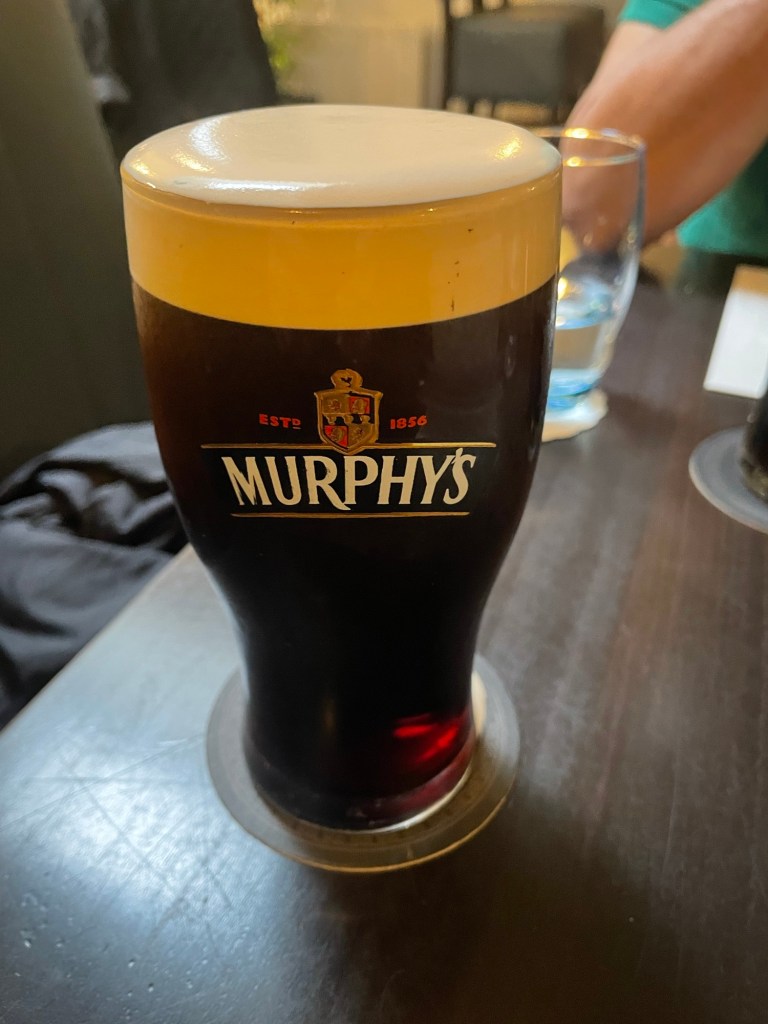
We headed into town for dinner and our first Guinness since landing in Ireland.
As we arrived back in the harbour there was a lone kayaker just returning to shore. It was Mick. So good to catch up with the big fella and hear his news.
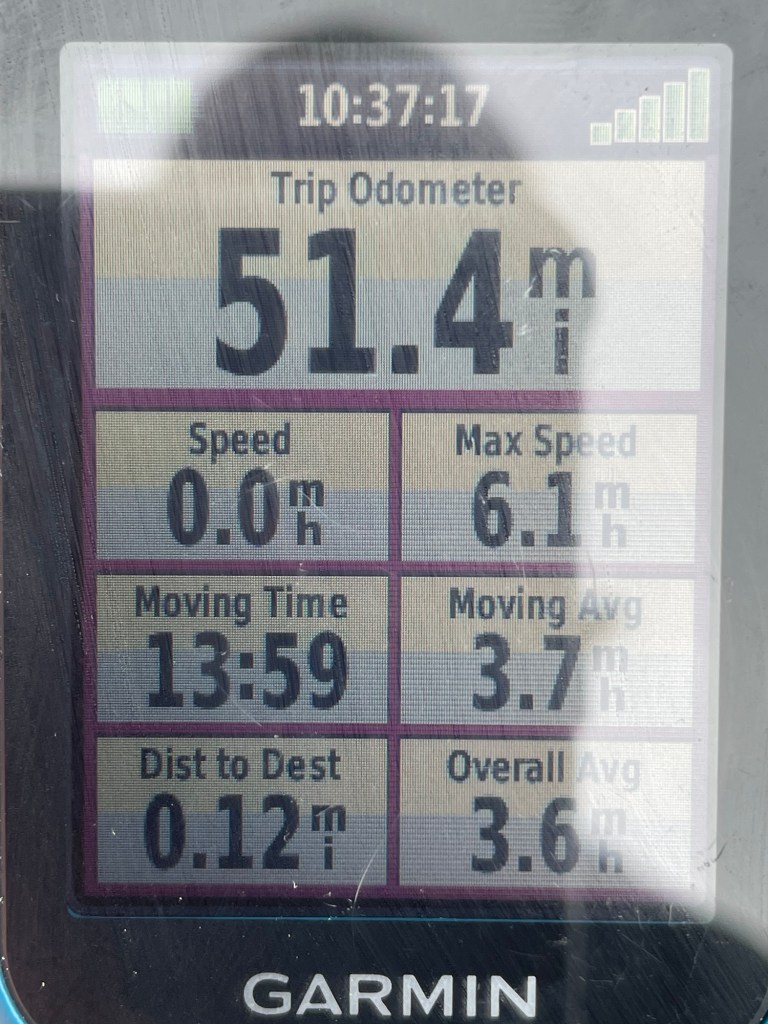
Today, Day 17, was “effing hard work” according to Geoff. I concur. Beautiful day, but very warm and still. Which can just make kayaking tough going. We managed 30 miles in a oner though and now find ourselves making camp on the harbour wall in Ardmore.
As we were bedding down for the night, a local chap came down from his house to speak with us. He is 3rd or 4th generation Ardmore. He has sailed to and visited most of the small islands off the Irish coastline and gave us some tips for places to visit and stay over the coming weeks.
Thank you for all the good wishes and for your donations to our charities. We will say a little more about why we chose the charities in a blog soon.
We also hope to share some photos and videos of us actually on the water, rather than on harbour walls!
First of manyTwo ordinary kayakers with the legend Mick O’MearaTramore HarbourPerfect drying conditionsArdmore Beach
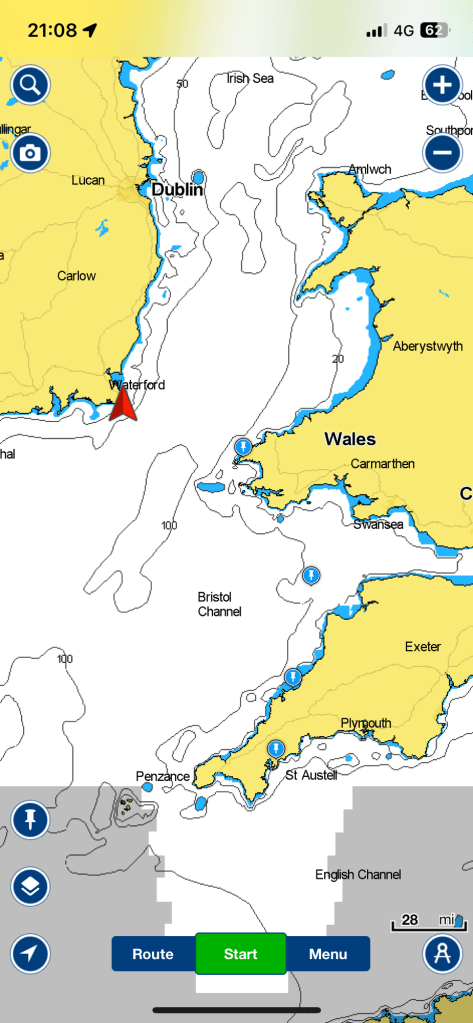
The story of the big one. This was the crossing that made us apprehensive when we were planning the expedition. Sure there are plenty of challenging tidal conditions and crossings around Britain and Ireland. We know there will be days when we are seriously challenged by conditions that weren’t forecast, but the George’s Channel would be the longest and most committed crossing the pair of us had ever undertaken.
We made the most of our cafe days in St David’s to study the weather reports and make plans for our Irish Sea Crossing. Thursday (today) was looking “ok” for the crossing but not ideal, but if we didn’t attempt it then we couldn’t see another window opening up for us over the next week.
As the weather models updated through the day on Wednesday, not all of them agreed with each other but there was enough consistency to reassure ourselves we could cope, even if we got the worse end of the forecast.
Decision made, we hurried back into St David’s to get provisions for the crossing. Geoff made enough cheese and tomato sandwiches to last us about two weeks let alone the Irish Sea crossing, and to that we added: dates, carbohydrate gels, nuts, flapjacks and some chocolate bars. We would also carry around 6 litres of water each.
We had prepared a detailed plan taking into account the winds and tidal streams. We calculated our vectors and headings. We also had waypoints plugged into our GPS handhelds.
I called Milford Haven Coastguard to let them know of our plans. “Blimey” was the response from the very friendly chap on duty. ‘Routine’ passage info shared, he wished us the best for our trip.
It was going to be an early start so we packed as much as we could the night before. Alarms set for 3am, neither of us really slept. We packed the tents away and carried our kit down to the boats that we had left by beach. We shovelled breakfast down, carried the boats down to the water and packed the last of our gear. We launched through the surf at 4.40am.
It was slack water and so no danger of us getting pushed by the strong tide into the Bitches that we had had so much fun in a few days earlier. It was a chilly start to the morning but after hauling the kayaks down the beach we were already feeling too warm with our cags on. We agreed we would take them off at our first break.
There was a red glow on the horizon over our right shoulder, and soon we could see the sun starting to rise.
The first Shearwaters and Puffins started to appear from their burrows soon after as they started their morning fishing trips. A solitary porpoise broached the surface in front of us, too intent on feeding than to notice us.
We were on a heading of roughly 295 degrees, although it is impossible to steer accurately on a kayak so our course would be anything from 280 to 310. Our GPS would indicate our course over ground and whether we were shaping the most efficient route.
And so we settled into a pattern of paddling 5 miles, break for 5 minutes for a pee, bite to eat and drink, and paddle on. That’s 9 stops. We counted them down.
Long paddles are all a head game. Yes the body gets sore and uncomfortable but the biggest challenge is how you feel about it all. So we look for any positive on the way, like moving from being in the 40s to go, to being in the 30s to go. Or we’d note that we were 20% there already.
Our speed changed with the changes in stream and wind throughout the day. The best we got was early 5s (5.1 to 5.3 mph) to low 3s. Doesn’t sound like much difference but it’s the difference to your breaks coming every hour or every hour and a half.
The middle 10 and the last 5 miles were the hardest.
Backsides and backs ached and tendons in our wrists and arms were sore.
So we did anything to distract ourselves. We told stories, we sang songs (badly), and slowly the miles ticked away.
But the best distractions were provided by some amazing encounters with wildlife. We saw several pods of Dolphins, some of which were incredibly playful and came in very close to check us out. They broached and looked at us, dived just under our boats and circled us for what seemed like ages.
Shearwaters and Gannets in particular seemed to come in close to see what we were doing.
We had the odd seal encounter and wonderful sightings of Puffins, Guillemots, Razor Bills, Fulmers and Turns.
It’s such a privilege to be in this environment, completely out of sight of land, and be surrounded by such beauty (and I don’t mean Geoff!).
We were paddling on a compass bearing, hoping that we might see land about 10 miles out. But nothing. Wexford was shrouded in mist.
Then after paddling for 12 hours we got our first sign we were definitely on course. We saw the lighthouse on Tuskar Rock appear through the mist. We had planned to be south of Tuskar Rock and the strong tidal streams that run north of it. Sigh of relief.
Shortly after we heard the throbbing engines of a Stenna Link Ferry. We could just make out the shape of the ferry in the poor visibility. It wasn’t clear which way it was headed. We assumed it was aiming for Rosslare which was north of us. We carried on paddling but kept an eye on it.
About 20 mins later it became apparent the ferry had actually just left Rosslare. We obviously couldn’t see that as it was shrouded in mist. Question now was what was its destination. If Fishguard, we knew we could carry on paddling safely, but if Cherbourg, then we had a problem.
Guess what, it was the latter, and the ferry was heading straight for us. We did the sensible thing and waved our paddles in an attempt to remind the Captain ‘paddle over power’. Just kidding, we actually did the only thing you can do in these situations and that was to about turn and start paddling in the opposite direction. So only 4 miles from our destination, we found ourselves paddling back in the direction of Wales. We halted when we could see we had give the ferry enough room and we watched the crew on the bridge in their pressed white shirts stare at us out of the window. Heaven knows what they were thinking.
The last 4 miles seemed to take an eternity but we knew we had done it. We landed at Carne Beach (what a coincidence!) and we have to confess it took us a little while to climb out of our boats.
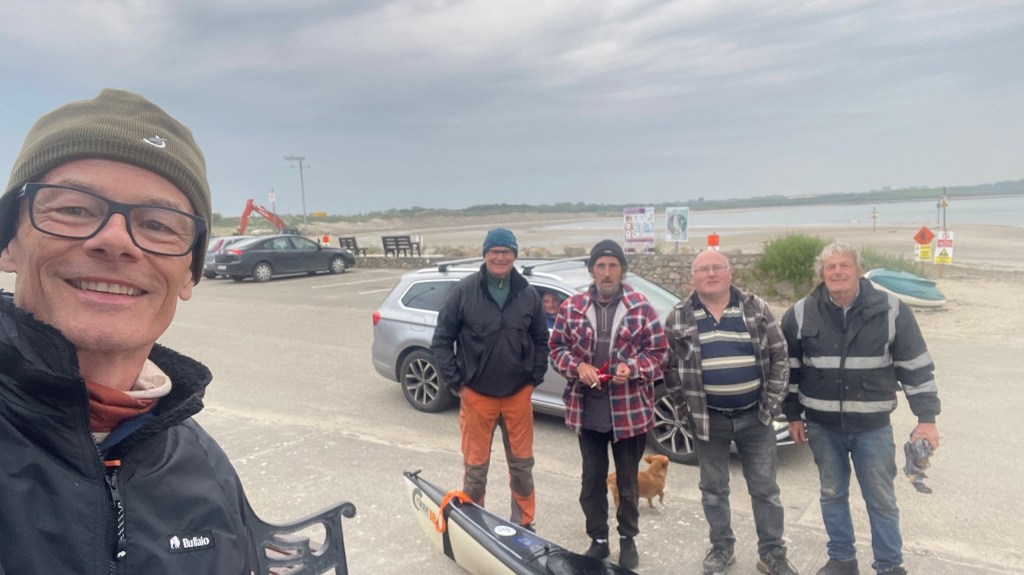
Then we were quickly reminded of why we love paddling in Ireland so much – the friendliness of strangers. As we made camp we spent a good couple of hours chatting to the local fisherman and hearing their stories.
Job done.
4.30amNot a bad straight line for 52 milesThe other CarneEn Suite Facilities for our first night in IrelandThe Wexford lads
Tough choice this morning, paddle in F7 gusting F9 and pouring rain, or a full Welsh Breakfast in St Davids.
So writing this as we tuck into our second breakfast…..
We are well used to being weather bound on these expeditions. We have been blessed with fine conditions over the first 9 days and we have made the most of it to get in position to make the crossing to Rosslare.
Before we set off we gave ourselves a couple of weeks to get here so we could make the crossing on neap tides when the stream through the George’s Channel would be at a minimum. We have arrived ahead of schedule, and although the weather has turned, we will make the most of the opportunity to recuperate and be ready for our biggest challenge of the whole expedition.
Home made baked beansWhitesands before the weather changed Healthy breakie on Whitesands
Our list of minor ailments so far:
– A few blisters (of course)
– A little bit of sunburn
and
– With all the beans and lentils we are eating, chronic flatulence
(Too much information?)
For the 55 mile open water crossing we need light winds coming from NNE to SE. We are well used to paddling in very strong winds but for this crossing we have raised the bar on our safety margins.
So far, Thursday looks like it might be the day. We’ll keep an eye on the forecast and make the decision the night before we set off.
In the meantime, we shall continue our tour of the cafes in St Davids.
Thank you for the very generous donations to our three charities!!
Unbeknown to me, Tanya has helpfully labelled some of my kit so it won’t get mixed up with Geoff’s. What a sweetie!
















 Midlifekayak